
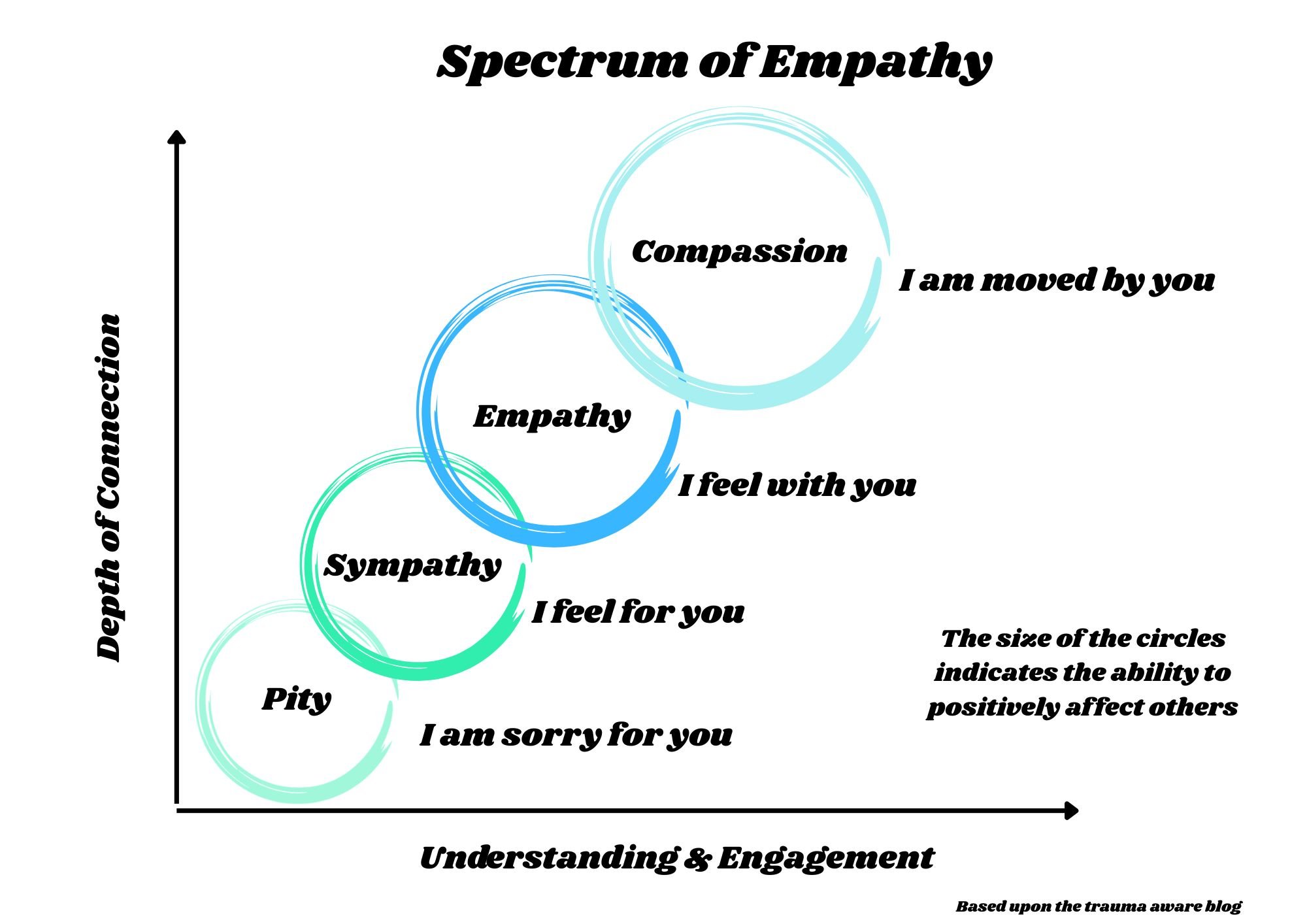
Empathy: Why Your Partner Can Show Empathy to Others, But Struggles to Show It To You
Why Your Partner Can Show Empathy to Others But Struggles to Show It to You. It’s Not About You — It’s About Their Shame
Your pain is the mirror they don’t yet know how to look into. Empathy toward you is hard because it requires vulnerability, accountability, and nervous‑system regulation — all areas impacted by addiction, secrecy, and betrayal.
Empathy CAN Be rebuilt!
With recovery work, trauma‑informed therapy, and relational repair, the nervous system can learn to stay present, regulated, and emotionally available again. Empathy isn’t gone — it’s offline. And it can come back online with consistent healing.

Limerence vs. Love: Understanding the Difference
Limerence is intense, consuming, and often painful—but it is not love.
Love is steady. Love is reciprocal. Love is grounded in truth, not fantasy. Love requires emotional regulation, accountability, and secure attachment.
If you’re navigating compulsive behaviors, betrayal trauma, or relational instability, understanding the difference between limerence and love is a powerful step toward healing.

Understanding Triggers vs. Glimmers
Trauma shapes far more than our thoughts—it also influences how the body and nervous system react to the world around us. As Bessel van der Kolk notes, trauma is held in the body and expressed through physiological states, not just remembered in the mind. When the nervous system has learned to stay on high alert, healing isn’t only about processing the past; it’s also about rebuilding the ability to recognize cues of safety. That’s where glimmers become so meaningful. Glimmers don’t erase triggers, but they help the nervous system become more flexible and capable of shifting out of survival mode.

PTSD vs. PTSI: Trauma
PTSD (Post Traumatic Stress Disorder) is a mental health condition developed from experiencing one or more terrifying events. PTSI (Post Traumatic Stress Disorder) is a biological injury presenting similar symptoms as PTSD. The difference is the cause of these symptoms. PTSI is a psychological response to experiencing or witnessing traumatic events.

Infidelity or Addiction?
Is My Partner’s Betrayal Connected to Sex Addiction?
When betrayal is discovered, many partners start asking a difficult question: Is my partner struggling with sex addiction… or not? The answer lies in what pattern may be driving the behavior.
Not all betrayal involves addiction.

Betrayal Trauma Anger
In betrayal trauma recovery, anger is not a problem to fix—it’s a powerful ally. It shows you where the wounds are, what matters most, and what needs to change for you to feel safe again. When honored and understood, anger becomes a source of clarity, strength, and forward movement.
You are not “too angry.” You are not “overreacting.” You are responding exactly as a wounded heart and a protective nervous system would.
And that anger may be the very thing that helps you reclaim your voice, your boundaries, and your healing.